Tips for Keeping Your Cut Flowers Fresh and Vibrant
Posted on 21/08/2025
Tips for Keeping Your Cut Flowers Fresh and Vibrant
Fresh-cut flowers can dramatically enhance any space, bringing color, joy, and the beauty of nature right to your home. However, the joy of a beautiful bouquet is often short-lived unless you know how to care for your flowers properly. In this comprehensive guide, you'll find expert tips for keeping your cut flowers fresh and vibrant for as long as possible, so you can enjoy their elegance much longer.
Why Do Cut Flowers Wilt?
Understanding why cut flowers fade can help you provide optimal care. After being separated from their roots, flowers lose their natural water supply and nutrients. Exposure to bacteria, improper care, and environmental factors can cause them to wilt and die prematurely. By following the right procedures and using a few simple tricks, you can maximize the vase life of your cut flowers.
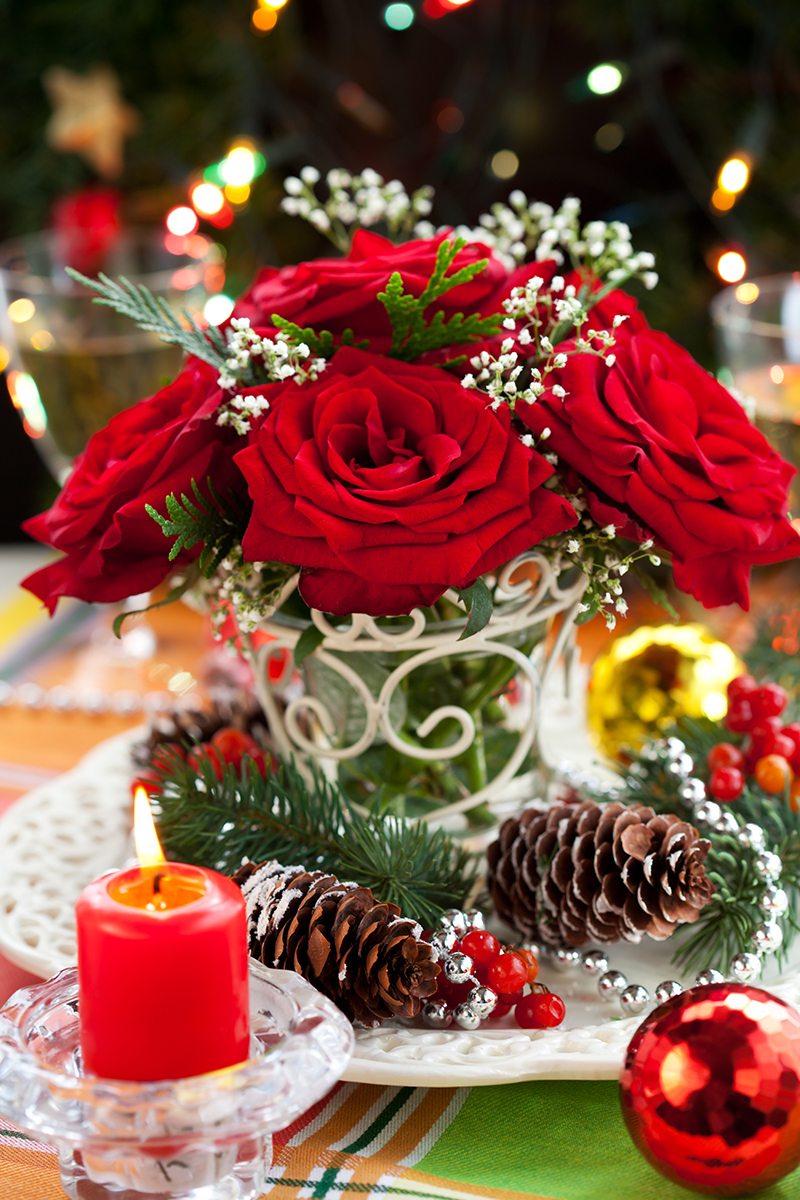
How to Keep Your Cut Flowers Fresh and Vibrant: Essentials
1. Start with Healthy Flowers
Choosing the freshest flowers is the first step. Whether buying from a florist or picking from your garden, check for these signs of freshness:
- Firm stems and upright heads
- Bright, unblemished petals
- Clean, green foliage (not yellowing or wilting)
- No visible signs of mold or bruising
Remember, the younger the blooms, the longer they will last in your arrangement.
2. Cut Stems the Right Way
Proper cutting technique is crucial for water absorption:
- Use a sharp, clean knife or shears to avoid crushing the stem.
- Cut stems at a 45-degree angle instead of straight across. This increases surface area for water uptake.
- Cut stems underwater to prevent air from entering the xylem (water-carrying tissues).
- Remove leaves that would be submerged to prevent rot and bacteria.
3. Always Use a Clean Vase
Bacteria is one of the main culprits in premature flower wilting. Before arranging your blooms, thoroughly wash your vase with soap and hot water. A sparkling-clean vase reduces the risk of infection and keeps your flowers looking fresh for longer.
4. Add Water and Flower Food Immediately
Once cut, get flowers into water as soon as possible. Use lukewarm water (unless the blooms are bulb flowers like tulips or daffodils, which prefer cold water). Dissolve a packet of commercial flower preservative, which typically contains:
- Sugar for nourishment
- Acidifier to stabilize pH
- Bactericide to kill germs
If you don't have flower food, make your own by adding a teaspoon of sugar, a few drops of bleach, and a teaspoon of lemon juice to each quart of water.
5. Trim Stems Regularly
Every few days, re-cut the stems at a 45-degree angle and change the water. This ensures that blocked or callused stem ends don't impede water uptake and that bacteria doesn't have time to multiply.
Extra Strategies for Extended Flower Freshness
6. Remove Foliage Below Water Level
Leaves submerged in water will rot quickly, causing bacteria to flourish and decreasing the lifespan of your bouquet. Always strip foliage that would fall below the surface before placing flowers in a vase.
7. Keep Flowers Cool and Away from Direct Sunlight
Cut flowers last longer at cooler temperatures. Avoid placing arrangements near radiators, on sunny windowsills, or close to fruit (which emits ethylene gas and can hasten wilting).
- Display blooms in a room with stable, moderate temperatures.
- Move arrangements to a cooler location overnight for extra longevity.
8. Remove Dying Flowers Promptly
Fading and wilting blooms release gases and microbes that can harm the rest of the bouquet. Regularly prune dead or dying flowers to prevent the spread of decay and keep the entire arrangement looking vibrant.
9. Refresh Flower Food and Water
For long-lasting bouquets, change the vase water every 2-3 days and replenish with fresh flower food. This keeps bacteria in check and ensures your blooms get the nutrition they need.
10. Recut Flower Stems After a Few Days
Even after their initial trim, flower stems can become blocked or develop calluses. Every two to three days, recut the stems to help them better absorb water and nutrients, thus extending the bouquet's vibrancy.
Special Care Tips for Different Flowers
Each flower species may have unique requirements. Here are some additional tips for popular flower types:
Roses
- Remove thorns carefully to avoid bruising the stem.
- Submerge stems in warm water for an hour before arranging if they've wilted.
- Use a sharp knife for trimming -- rose stems can be tough.
Lilies
- Remove pollen-producing stamens. Pollen stains and reduces lily lifespan.
- Change water frequently to avoid strong odors.
Tulips
- Prefer cold water and a tall vase for support.
- Place in indirect light to avoid overstretching.
Sunflowers
- Use a heavy vase to support large heads.
- Change water and trim stems regularly -- sunflowers drink a lot!
Common Myths about Cut Flower Care
- Myth: Pennies in the vase keep flowers fresh.
Fact: While copper can act as a fungicide, modern pennies contain little copper. Instead, use proper flower food. - Myth: Aspirin in water extends vase life.
Fact: Scientific evidence is limited; properly prepared water and clean stems are far more effective. - Myth: All flowers require the same care.
Fact: Some have unique sensitivities; always research the specific needs of your bouquet's species.
DIY Flower Food Recipe
If you don't have commercial flower food, try making your own:
- 1 quart lukewarm water
- 2 tablespoons lemon juice
- 1 tablespoon sugar
- 1/2 teaspoon household bleach
Mix thoroughly and use in your vase for a quick, effective boost to your flower longevity.
Creative Ways to Display Your Cut Flowers
Enhancing the look of your fresh-cut flowers can be as important as preserving them:
- Mix flower varieties for visual interest and to balance vase life.
- Use smaller containers for shorter stems or broken blooms to create mini-bouquets.
- Group arrangements by size and color for a lush, sophisticated effect.
- Add decorative elements like stones, marbles, or floating candles to the vase.

Frequently Asked Questions: Keeping Fresh-Cut Flowers Vibrant
How often should I change the water?
Change the vase water every two to three days to prevent bacterial growth and ensure adequate hydration for your flowers.
What's the best way to cut stems?
Always cut stems at a 45-degree angle with a sharp knife or scissors, ideally underwater.
Does the time of day matter when cutting flowers?
Yes. Early morning or late evening are best because plants are most hydrated at these times.
How can I revive wilted flowers?
Trim stems and immerse the entire bloom in lukewarm water for 30-60 minutes. Some flowers may perk up and regain vibrance.
Are there any flowers that last particularly long after cutting?
Yes. Alstroemeria, chrysanthemums, carnations, orchids, and lilies are among the longest-lasting cut flowers.
Summary: The Secrets to Long-Lasting Cut Flowers
With the right care, your cut flowers can remain fresh, beautiful, and vibrant for up to two weeks or longer. To recap:
- Choose fresh, healthy flowers and handle with care.
- Cut stems properly and remove excess foliage.
- Use clean vases and fresh water with flower food.
- Change water and recut stems regularly.
- Keep flowers cool and away from sunlight and ethylene sources.
- Remove dying blooms as needed and tailor care to each flower type.
Implementing these tips for keeping your cut flowers fresh and vibrant will allow you to fully enjoy the beauty and fragrance they bring to your home. Whether you enjoy arranging bouquets from your garden or treating yourself to store-bought blooms, a little effort goes a long way in preserving their allure.
Start with these strategies today, and watch your fresh-cut flowers bring continuous joy and color into your life!
Latest Posts
Discover 3 Effortless Methods to Keep Your Flowers Fresh
Tips for Keeping Your Cut Flowers Fresh and Vibrant
Extend the Life of Your Poinsettias