Flower supply for Kingsland Road cafes and shops Haggerston
Posted on 04/10/2026
If you run a cafe, deli, barbershop, boutique, or small retail space near Kingsland Road, you already know the place has a certain pace to it. Footfall changes by the hour, windows need to look fresh, and customers notice the little details. That is exactly why Flower supply for Kingsland Road cafes and shops Haggerston matters more than it might first seem. A good floral supply is not just decoration. It shapes the mood of the room, supports your brand, and quietly tells people that someone is paying attention.
In a busy local strip, flowers do a few jobs at once. They soften hard interiors, make a counter feel more welcoming, and help a shop window stop people for that split second that counts. This guide covers how flower supply works in practice, what to look for, common mistakes to avoid, and how to choose arrangements that actually suit a commercial space. No fluff. Just the useful stuff, with a local eye on Haggerston and Kingsland Road.
Below, you will find a practical breakdown of supply options, a comparison of methods, a real-world example, and a checklist you can use when planning regular deliveries. If you are deciding whether flowers are worth it for your space, or trying to improve an existing setup, you are in the right place.
- Why flower supply matters
- How the supply process works
- Key benefits and practical advantages
- Who this is for
- Step-by-step guidance
- Expert tips for better results
- Common mistakes to avoid
- Tools, resources and recommendations
- Law, compliance and best practice
- Options and comparison table
- Real-world example
- Practical checklist
- Frequently asked questions
Why Flower supply for Kingsland Road cafes and shops Haggerston Matters
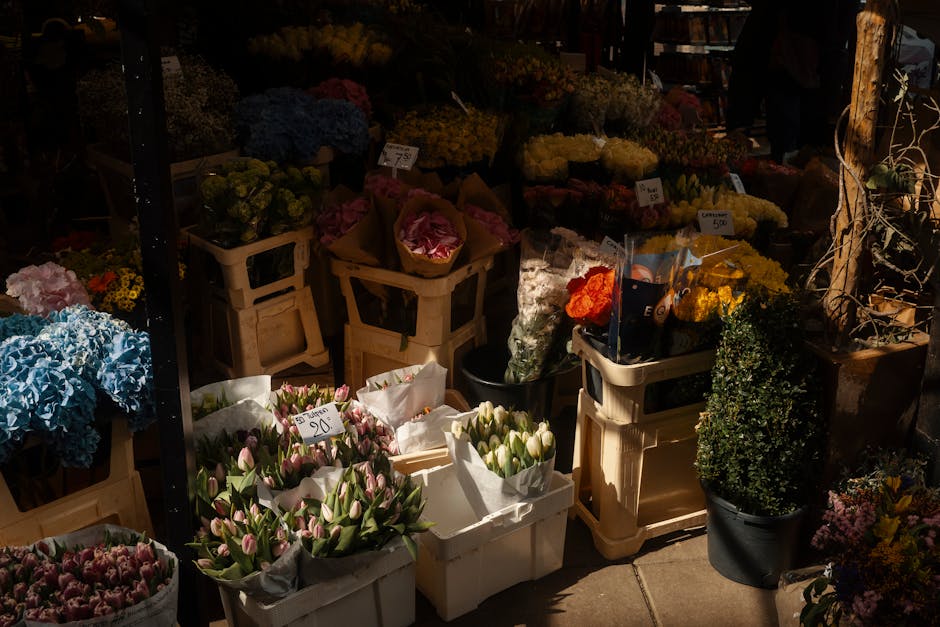
To be fair, flowers can look like a finishing touch from the outside. But for customer-facing businesses, they are often doing much more. On Kingsland Road, where many venues rely on impulse visits, repeat locals, and social sharing, visual appeal matters from the pavement onwards. Flowers help create that feeling of care before a customer has even ordered a coffee or stepped fully inside.
There is also a practical side. Fresh arrangements can make a cafe feel cleaner and calmer, and they can make a retail display appear more premium without a full redesign. A small bunch on a till counter, a neat vase by the entrance, or a seasonal arrangement in the window can change the whole tone of a space. Not dramatically. Just enough. And that is usually the sweet spot.
In Haggerston, many businesses work in compact spaces where every square metre has to earn its keep. Flowers that are too tall, too scented, or too messy become a nuisance quickly. A good supply therefore is not about "more flowers". It is about the right flowers, at the right cadence, in the right place. Sounds obvious, but you would be surprised how often it gets overlooked.
There is also the brand angle. If your business has a relaxed, artisanal, modern, or neighbourhood feel, flowers support that identity in a way that plastic decor never quite can. Customers may not say it out loud, but they notice. They really do.
How Flower supply for Kingsland Road cafes and shops Haggerston Works
Flower supply for a local cafe or shop usually works on a repeat delivery model, a one-off ordering model, or a mixed approach. The best setup depends on how often you want a refresh, how much space you have, and whether the flowers are meant to be display-led or purely decorative.
In a typical arrangement, the business chooses a style, size, budget range, and delivery frequency. The flowers are then prepared for the space, delivered, and placed where they will have the biggest visual impact. Some businesses want a weekly refresh. Others prefer a more flexible approach for busy periods, events, or window changes. There is no one-size-fits-all answer.
What tends to work best in real life is a simple rhythm: set the style, agree the delivery day, review what lasts, adjust. That review step is the bit people skip. Then they wonder why the arrangements never quite feel right. A bit unfair on the flowers, honestly.
If you are operating near a station, on a stretch with heavy daytime traffic, or in a venue where the front of house is visible from outside, timing matters too. Deliveries need to arrive when staff can receive them, unpack them, and place them without rushing. A beautiful bouquet in a box is still just a box until it gets positioned properly.
Some businesses also combine flowers with seasonal gifting or customer add-ons. For example, a retail shop might use a display arrangement alongside small items from flowers and chocolate for occasions, while a cafe might rotate between a cleaner white-and-green palette and something brighter during busier weeks.
Key Benefits and Practical Advantages
The main benefit of a thoughtful flower supply is simple: the space feels better. But beneath that, there are several commercial advantages worth spelling out.
- Stronger first impressions: flowers help make the storefront or counter feel cared for.
- Better atmosphere: they soften sharp interiors and can make busy spaces feel calmer.
- Seasonal flexibility: you can shift the look without changing fixtures or signage.
- Customer memory: people are more likely to remember a place that feels distinctive.
- Content value: floral displays often improve the look of photos, menus, and social posts.
- Brand consistency: the same colour palette or floral style can reinforce the feel of your business.
There is a subtler advantage too. Fresh flowers create a small sense of occasion. Even in a quick-turnover cafe, that can make a difference. A customer may not consciously think, "these tulips improved my morning," but they feel it. And feelings drive loyalty more than people admit.
For shops, especially boutiques, florists, gift stores, and concept spaces, flowers can also support visual merchandising. A window dressed with flowers, books, ceramics, clothing, or candles feels more layered and less transactional. That matters on streets where people stroll rather than sprint.
For cafes, flowers can help balance practical surfaces. Stainless steel, dark wood, and tiled counters all look better with some softness nearby. It is a tiny shift. But tiny shifts are what make hospitality spaces feel finished.
Who This Is For and When It Makes Sense
This kind of supply makes sense for any Kingsland Road or Haggerston business that depends on atmosphere, repeat visits, or window appeal. That includes independent cafes, bakeries, wine bars, delicatessens, clothing shops, gift stores, salons, and reception spaces. It also suits small hospitality teams that want a polished look without spending ages managing decor.
It is especially useful if your business has one or more of these needs:
- a visible window or entrance that could benefit from regular freshness
- a counter or checkout area that feels a bit bare
- a seating area that needs more warmth
- photo-friendly styling for social media or menus
- seasonal changes that should feel natural, not forced
- a premium or boutique brand that relies on detail
Flowers are also sensible when you want a low-commitment refresh. Compared with larger interior changes, floral supply is relatively quick to adjust. If a colour story does not work, you can alter it. If a display feels too strong, you can soften it. That flexibility is a big reason local businesses keep using it.
On the other hand, if your space is very high-traffic, heavily heat-exposed, or lacks a place to keep arrangements stable, you may need a more stripped-back approach. Not every venue needs a big vase in the middle of the room. Sometimes a smaller arrangement by the till is the better call. Truth be told, restraint often looks more confident.
Step-by-Step Guidance
If you are planning flower supply for a commercial space, the easiest way to get it right is to treat it as a simple process rather than an aesthetic mystery. Here is a practical route.
- Assess the space. Look at where customers first see the business, where people queue, and where flowers would not get knocked over.
- Choose the purpose. Decide whether the flowers are for welcome, display, brand styling, or seasonal change. This helps narrow the design.
- Pick a colour direction. Neutral whites, soft pinks, bright mixed tones, or something seasonal all work differently. The best choice depends on your interiors and customer base.
- Set a delivery rhythm. Weekly works well for many venues, but some spaces need more or less frequent refreshes depending on turnover and temperature.
- Match flowers to practicality. Longer-lasting stems are often wiser for commercial settings than delicate blooms that wilt quickly.
- Review placement. Put flowers where they are visible but safe. Think counter edges, window ledges, host stands, or shelves.
- Test and adjust. After a week or two, check what worked: size, scent, colour, and longevity.
A small but important point: do not plan only for how the flowers look on delivery day. Plan for day three, day five, and the end of the week. That is when the honest verdict arrives. The best arrangements still look decent after the room has been busy, a little warm, and full of people moving around.
If your business wants a more dependable setup, you can also explore recurring options such as a three-month flower subscription, which can be a practical way to trial regular supply without overcommitting.
Expert Tips for Better Results
Here is where the small gains happen. The businesses that get the most value from flowers usually pay attention to the details others miss.
1. Choose stems with staying power
For a cafe or shop, longevity often matters more than drama. Flowers that hold shape well are usually safer than highly delicate stems if the arrangement needs to survive a full service day. Options such as lilies, carnations, alstroemeria, and chrysanthemums can be useful in commercial settings, depending on the look you want.
2. Keep scent under control
This is a big one, especially in cafes. Strong fragrance can clash with coffee, pastries, or food service. It can also be a bit much in smaller rooms. If you are unsure, ask for low-scent or mixed arrangements and place them away from food prep areas.
3. Scale to the room, not the mood
Big arrangements are lovely, but a tiny shop can feel cluttered fast. Conversely, a spacious storefront may swallow a small vase. The trick is visual balance. If you have to keep nudging it to fit, it is probably the wrong size.
4. Use flowers to support, not fight, the interior
Warm wood and brass often pair nicely with soft tones. Clean white interiors can take stronger colours. Dark spaces usually benefit from lighter blooms. You do not need to match everything exactly. In fact, perfect matching can look a bit lifeless.
5. Plan around busy trading times
If delivery lands during your rush, someone is going to be juggling cellophane, water, and receipts. Not ideal. Align drops with calmer times when staff can set everything up properly.
And one more: take a quick photo after placement. It sounds trivial, but it helps you remember what worked last time. Half the battle is simply not forgetting what looked good last month.
Common Mistakes to Avoid
Most floral supply problems are not dramatic. They are small, repeatable, and entirely avoidable. Here are the main ones.
- Choosing style before function: beautiful flowers that wilt too fast or crowd the counter are not good value.
- Ignoring scent: what seems pleasant in a shop can overwhelm a cafe table or narrow entrance.
- Ordering arrangements that are too large: this happens more often than you would think.
- Forgetting maintenance: flowers need water, trimming, and the odd refresh.
- Leaving delivery timing vague: "sometime in the morning" is rarely enough for a busy venue.
- Using one look all year: customers notice when displays feel stale.
A less obvious mistake is failing to think about how flowers interact with the rest of the business. If your shop already has a lot of competing visual noise, a busy bouquet can make things worse. If your cafe is calm and minimal, then a bright arrangement may be exactly what it needs. Context matters. More than people admit, actually.
Also, be careful with flowers near entrances in wet weather. A damp floor plus a busy threshold is not a great combination. Small thing, but worth watching.
Tools, Resources and Recommendations
You do not need a huge toolkit to manage flowers well, but a few simple items and habits make a difference.
- Clean vases or vessels: easy to wash and stable enough for regular use.
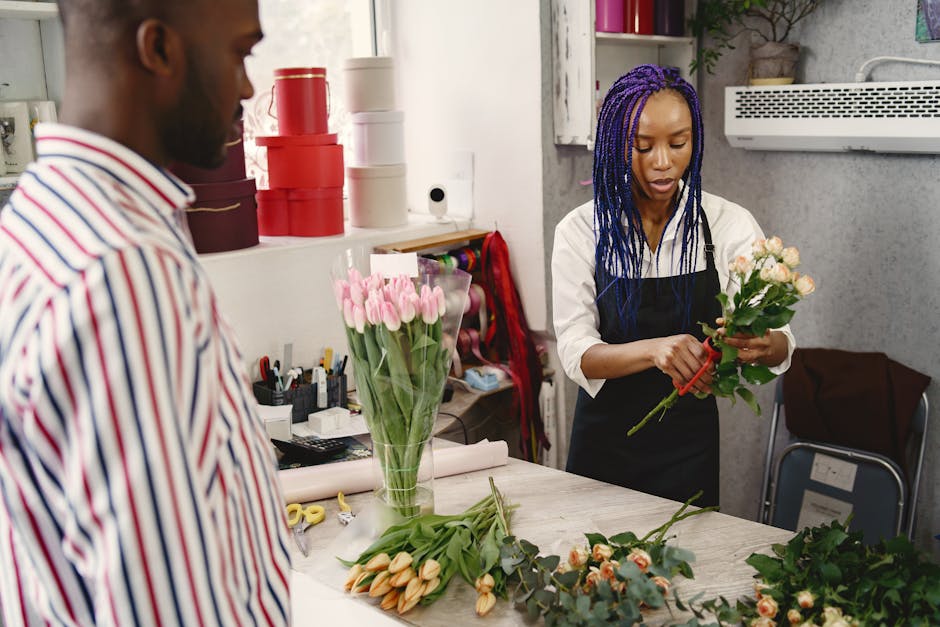
- Sharp scissors or floral snips: cleaner cuts help flowers last longer.
- Watering routine: someone should know when to top up or change the water.
- Placement plan: a rough note of where arrangements go and who moves them.
- Seasonal palette notes: useful if you want your displays to evolve naturally.
- Delivery preference checklist: helps avoid repeated misunderstandings.
For product inspiration, browsing category pages can help you identify styles and price bands before you commit. If you want a broader selection, all flowers is a sensible place to compare looks, while best sellers can show you what tends to work well in practice. For more premium spaces, luxury flowers may be a better fit; for tighter budgets, budget or cheap flowers can help keep the look tidy without overspending.
If you are unsure where to begin, a simple florist-choice approach can be very effective. It gives the supplier room to choose what is freshest and most suitable for the day, which is often better than over-prescribing every detail. A bit of trust goes a long way here.
Law, Compliance, Standards, or Best Practice
For most cafes and shops, flower supply is not heavily regulated in the way food or safety-critical services are. Still, there are good standards to follow. Keep arrangements away from food preparation areas unless they are part of a clearly safe and controlled display. Make sure water spills are cleaned quickly. Avoid blocking exits, walkways, or access points. These are straightforward, common-sense practices, but they matter.
If you are using flowers in a customer-facing environment, you should also think about allergies and accessibility. Strong scent may bother some visitors, and bulky arrangements can create barriers in narrow spaces. A good setup is one that looks welcoming without making the room harder to use. Simple, but worth saying.
For recurring delivery arrangements, it is wise to have clear expectations about timing, substitutions, payment, and what happens if a delivery cannot be received. On the business side, suppliers and customers usually benefit from the kind of clarity set out in standard commercial terms. It avoids awkwardness later. Nobody wants a delicate arrangement sitting outside in the rain, waiting for a misunderstanding to sort itself out.
UK businesses are also expected to maintain a generally safe premises environment. Flowers should not create hazards. That means thinking about vase stability, cord/foot traffic if water is being changed, and whether any display could topple. Nothing fancy. Just proper care.
Options, Methods, or Comparison Table
Different supply methods suit different types of businesses. Here is a straightforward comparison to help you decide what feels realistic.
| Method | Best for | Pros | Trade-offs |
|---|---|---|---|
| One-off bouquet delivery | Special launches, events, short-term styling | Flexible, easy to trial, low commitment | Less consistent over time |
| Weekly recurring supply | Cafes, boutiques, reception areas | Reliable, fresh look, good brand consistency | Needs routine and planning |
| Seasonal refreshes | Window displays, rotating concepts | Good for variety and campaigns | Can feel patchy if not scheduled well |
| Florist-choice arrangements | Businesses that value freshness and simplicity | Usually efficient and well-balanced | Less control over exact stems |
If your venue has a stable interior and regular trading pattern, weekly supply is often the neatest option. If you are testing the waters, a one-off arrangement or a short subscription makes more sense. And if your windows change often, seasonal planning is probably the best fit. There is no prize for complexity.
Case Study or Real-World Example
Imagine a small cafe near Kingsland Road with ten indoor covers, a compact takeaway counter, and a window that faces steady daytime foot traffic. The owner wants the place to feel calmer and more considered without adding clutter. They also do not want anything with a heavy perfume because coffee aromas are part of the experience.
The first attempt is a large mixed bouquet on the counter. It looks pretty for about two hours, then gets in the way during the morning rush. People keep moving it. Staff end up water-checking it between orders. Not ideal, and a bit stressful.
On the second attempt, the cafe switches to a medium arrangement on a side surface by the window, using sturdier stems and a softer palette. The flowers are visible from outside, do not interfere with service, and last the week more cleanly. The owner notices customers pausing at the front window more often. Nothing miraculous. Just a better fit.
The learning here is simple: the best floral supply is not the biggest one or the most expensive one. It is the one that suits the pace of the space. That is where the value sits.
Practical Checklist
Use this checklist before placing or renewing your flower supply:
- Have you chosen a clear purpose for the flowers?
- Does the size fit the room and the counter or window?
- Will the scent suit your customers and products?
- Is there a safe place for delivery and placement?
- Do you know who will receive the flowers?
- Is the delivery timing realistic for your trading hours?
- Have you checked how long the flowers should last in your setting?
- Will the arrangement still work after a few busy days?
- Does the colour palette support your brand?
- Have you planned water top-ups or basic maintenance?
- Is the supplier clear about substitutions and payment terms?
- Have you reviewed what worked after the last delivery?
If most of those answers are yes, you are in good shape. If not, that is fine too. It just means the system needs a small reset, not a full overhaul.
For practical ordering, many businesses also like to keep a few occasion-based options in mind, such as thank you, any occasion, or florist choice, because flexibility saves time when the week gets busy.
Conclusion
Flower supply for Kingsland Road cafes and shops Haggerston is really about making a business feel thoughtful, polished, and alive to the people walking through the door. The right supply does not shout. It supports. It makes the room feel better, the brand feel clearer, and the customer experience feel a little more complete.
Whether you are refreshing a cafe counter, dressing a shop window, or looking for a reliable recurring setup, the key is to match the flowers to the space and the pace of trading. Keep it practical. Keep it tidy. And let the flowers do what they do best: make a place feel worth lingering in.
Get a free quote today and see how much you can save.
Sometimes the smallest details are the ones people remember on the way home. And that is no small thing.
Frequently Asked Questions
What is the best flower supply setup for a small cafe on Kingsland Road?
For most small cafes, a weekly or flexible recurring supply works best. It keeps the room fresh without creating too much admin. If space is tight, one medium arrangement placed carefully is often better than several smaller ones spread around.
How often should cafe or shop flowers be replaced?
That depends on the flowers, room temperature, and how busy the space is. Many businesses find weekly replacement works well, but some arrangements last longer and can be refreshed rather than fully replaced. A hot room will shorten vase life, simple as that.
Are scented flowers a good idea for cafes?
Sometimes, but not always. Strong fragrance can clash with food, coffee, or a busy interior. If you want scent, keep it light and controlled. Many cafes prefer low-scent or mixed arrangements for exactly that reason.
What flowers are usually practical for shop displays?
Longer-lasting, sturdy stems are often the safest choice. Flowers such as lilies, carnations, alstroemeria, and chrysanthemums can work well depending on the look you want. The best option is one that fits the style of the shop and the amount of care it can realistically get.
Can flowers help improve retail sales?
They can support the shopping experience by making a space feel more welcoming and more premium. That does not guarantee sales, of course, but a better atmosphere can help customers stay longer and notice products more easily.
What should I avoid in a busy customer area?
Avoid oversized arrangements, unstable vases, strong scent, and displays that block movement. In a busy space, a beautiful arrangement that gets in the way is more of a problem than a help. That sounds obvious, but it happens a lot.
Is it better to choose flowers myself or use florist choice?
If you want full control over colour or theme, choose your own style. If you want freshness, efficiency, and a design that suits the day's stock, florist choice is often a very sensible option. Many businesses end up using a mix of both.
How do I match flowers to my brand?
Start with your interior colours, customer vibe, and the tone of your menu or merchandise. Calm minimal spaces often suit whites and greens, while brighter or more playful venues can handle bolder mixes. The aim is harmony, not sameness.
What if my shop has very little space?
Then keep it simple. One compact vase, a small counter arrangement, or a slim window display can still make a big difference. In small spaces, restraint usually looks better than trying to fill every surface.
Are there any compliance issues to think about?
Yes, mainly basic safety and customer comfort. Keep arrangements away from food prep areas, make sure they do not block exits or walkways, and clean up water spills promptly. Also think about accessibility and scent sensitivity where appropriate.
How can I test flower supply before committing long term?
Start with a one-off delivery or a short subscription period. That gives you a chance to see how the flowers look across the week, how staff manage them, and whether the style fits your business. It is the sensible way to do it, really.
What is the biggest mistake businesses make with floral displays?
Usually it is choosing something that looks great on day one but does not suit the pace of the space. The best commercial flowers are attractive, durable, and easy to live with. Pretty is good. Practical is better.